
A trail-camera photo can tell you that a deer passed one tree at 7:12. It can’t tell you whether the creek between that tree and the parking area is crossable after rain. Before choosing a treestand spot, give those two questions separate lines in your scouting notes: What have I observed here? Can I get in and out safely?
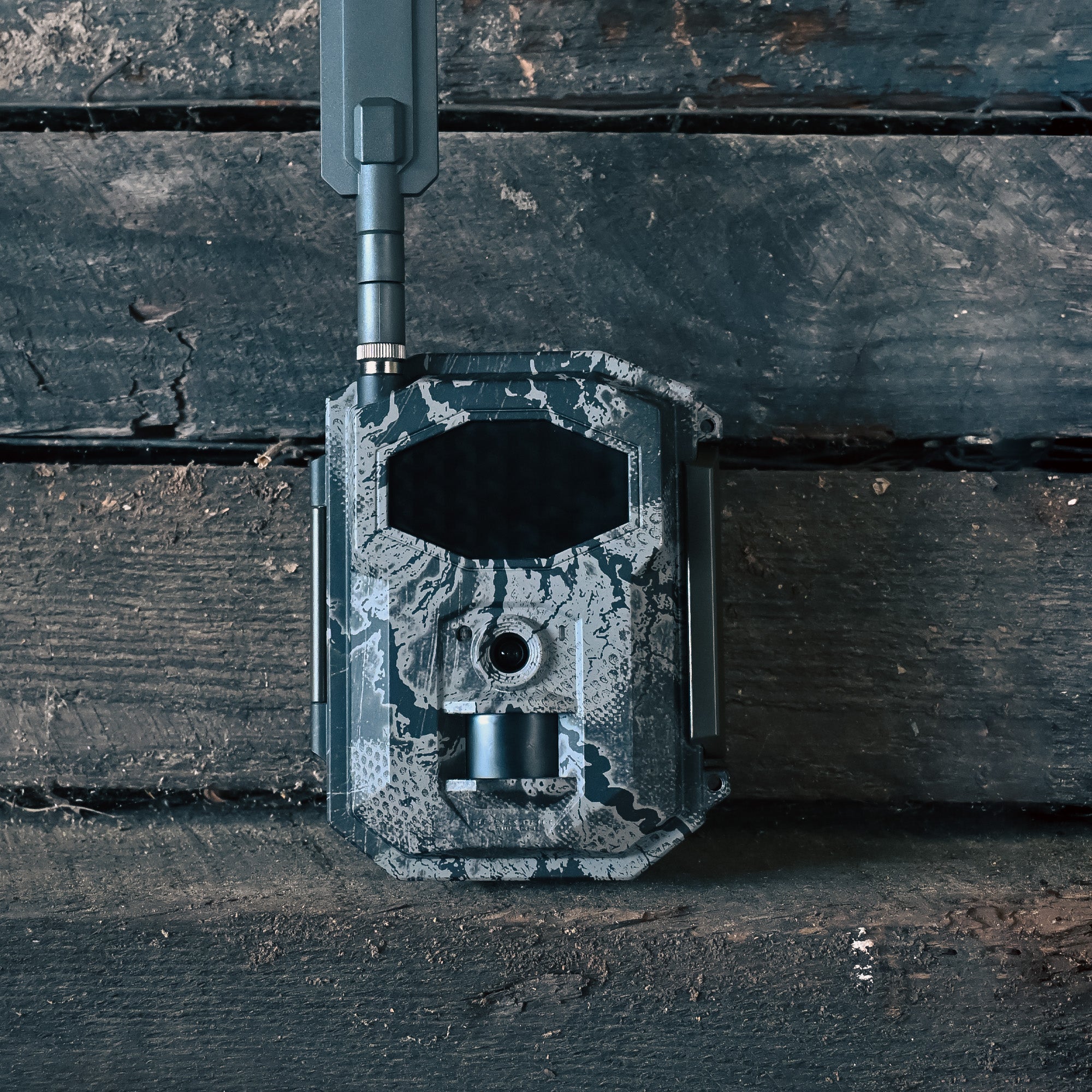
Give each camera pin a direction
Save the camera location on an offline map and record which way the lens faces. Take a wider reference photo from the same position while you’re there in daylight. Later, a deer walking left on your phone screen only means something on the map if you remember which direction the camera faced. The bend in a creek or a fork in the footpath makes a better reference than a patch of leaves that will be gone by November.
Read several visits together
Check the camera clock and group a burst of pictures into one visit. Three frames taken seconds apart are evidence of one encounter. Observations on several different days tell you something different. Keep a note of blank periods, too: a dead battery, a full card or a branch in front of the lens can leave a gap that looks like inactivity. An on-demand picture from the GoCam 2 Pro can help you spot a changed view from home.
Walk the route before you choose the tree
Imagine two candidate sites. Camera A brings back more pictures, but its access crosses a low spot that floods. Camera B overlooks a less active stretch beside an established path you can follow in both directions. Walk both in daylight. If rain cuts off the return from A, B may be the better choice that day. Save the parking location, permitted access route and an alternate way out before losing cell service; share your route and return time with someone at home.
Check property boundaries and current land-manager rules for cameras, cellular transmission and stands. At the tree itself, look for dead limbs overhead and damage to the trunk. Choose a sound tree compatible with your stand and follow the stand and full-body harness manufacturers’ instructions. Stay connected from the time you leave the ground until you return. If the tree or the access is doubtful, keep scouting from the ground.
What to write down before you leave
A short entry is enough: camera name, date, direction of view, number of separate visits, condition of the route and the reason you kept or ruled out the site. When conditions change, that last detail is often more useful than another pin on the map.
Watch Tim and Dave discuss the GoCam 2 Pro with Spartan Camera
Michigan DNR’s deer-season safety and public-land guidance
Related reading: Spartan GoCam 2 Pro: What Saves to the Card and What Reaches Your Phone